Pumpkin Snickerdoodle Cookies: Perfect Cinnamon Sugar Coating & Texture
Table of Contents
Table of Contents
Pumpkin snickerdoodle cookies sound magical: cozy spice, soft centers, and a crackly cinnamon-sugar shell. But in real life, they often spread too much, bake up cakey, or lose that gorgeous coating. Pumpkin puree brings flavor and tenderness, yet its extra moisture and low fat mean you cannot treat these like classic snickerdoodles and expect perfect results. When you understand how pumpkin changes the dough, the coating, and the bake, you can turn every batch into exactly the cookie you want: soft and chewy, beautifully crinkled, and packed with flavor.
What You’ll Learn:
- How to keep the cinnamon-sugar coating crisp, even, and visible
- How to get a soft-chewy texture instead of cakey or dry
- How pumpkin spice and pumpkin sugar cookies differ in texture and coating
- When to reach for brown butter, oats, or chocolate chips in pumpkin cookie variations
Why Pumpkin Snickerdoodles Need Their Own Guide
Pumpkin snickerdoodles are more finicky than they look, and that can be frustrating when you just want a cozy, low-stress bake. You are working with a dough that behaves differently from both classic snickerdoodles and typical pumpkin cookies, so familiar habits do not always work.
Pumpkin puree adds water, soft fibers, and very little fat, which loosens the dough in some ways and tightens it in others. If you mix and bake as you would for regular snickerdoodles, you can end up with flat cookies, cakey domes, or a coating that disappears into the surface instead of sitting on top in a defined crust. A little attention to moisture, temperature, and coating mechanics turns those same ingredients into reliably beautiful cookies with a soft chew, crisp edges, and a pronounced cinnamon-sugar halo.
Here, the focus stays on what makes pumpkin snickerdoodles unique: how wet ingredients are balanced, how thoroughly you chill, how firmly you roll in sugar, and how you bake so the coating sets before the cookie overbakes. Once you dial that in, all the flavor variations—pumpkin spice, pumpkin sugar cookies, oat-based cousins—become easy, playful tweaks instead of stressful experiments.
Core Pumpkin Snickerdoodle Cookies & Spin-Off Recipes
This section is your flavor hub: one main pumpkin snickerdoodle dough, then simple, clear branches into pumpkin spice and pumpkin sugar cookies, plus when to reach for oatier, heartier options. Think of it as a menu of fall cookies where you pick texture and coating style first, then flavor details.
Classic Soft & Chewy Pumpkin Snickerdoodle Cookies
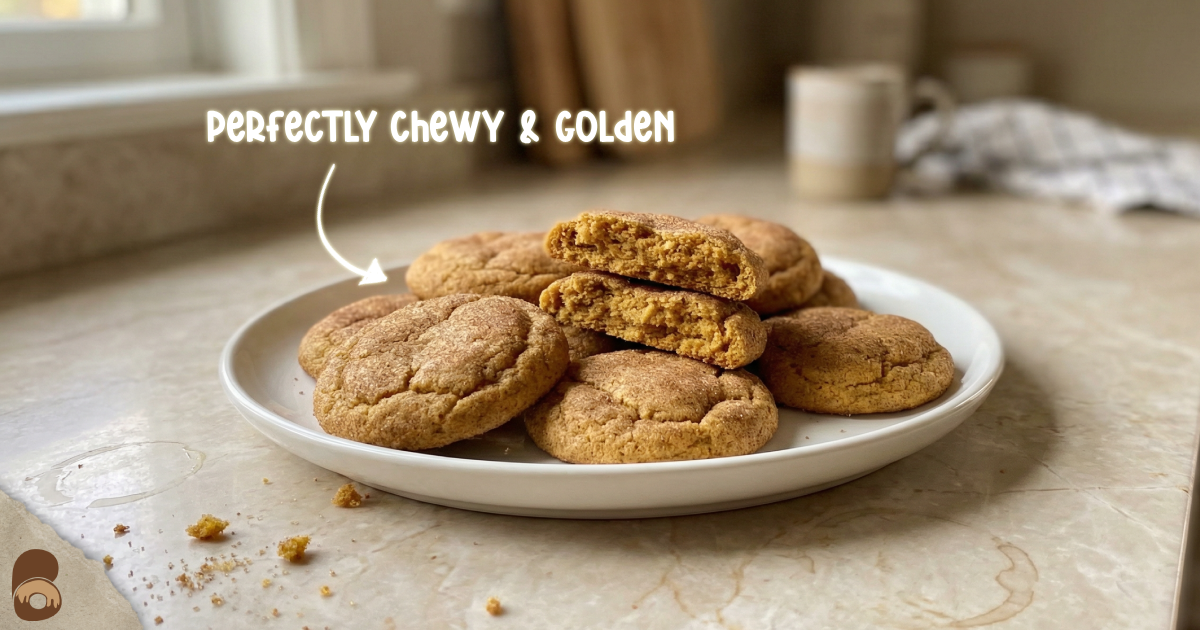
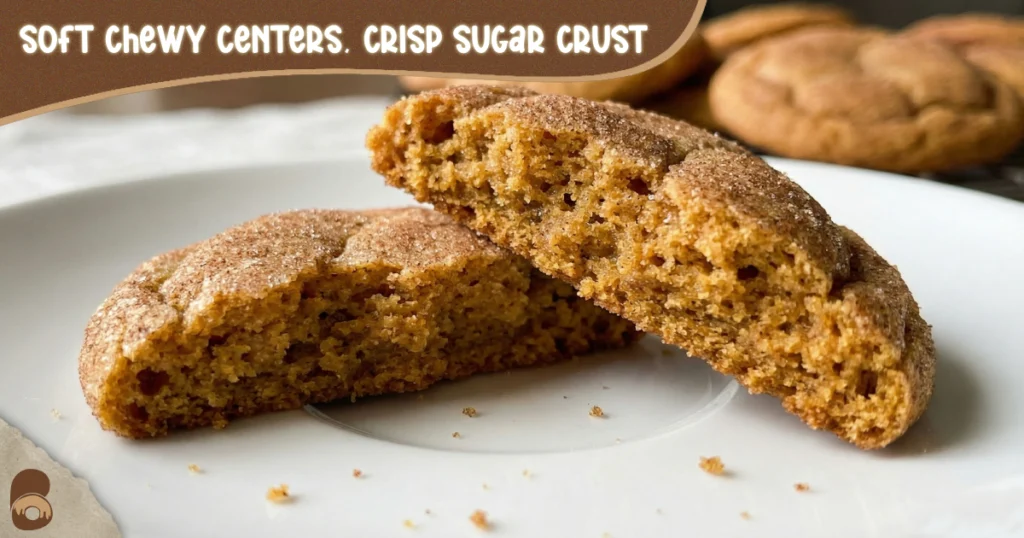
These are built for a soft, chewy bite with a visible cinnamon-sugar jacket rather than a puffy, cake-like texture. The keys are using the right balance of granulated and brown sugar, not overloading the dough with pumpkin, and chilling long enough that the coating can cling and the cookies keep their shape.
A typical ingredient lineup looks like this:
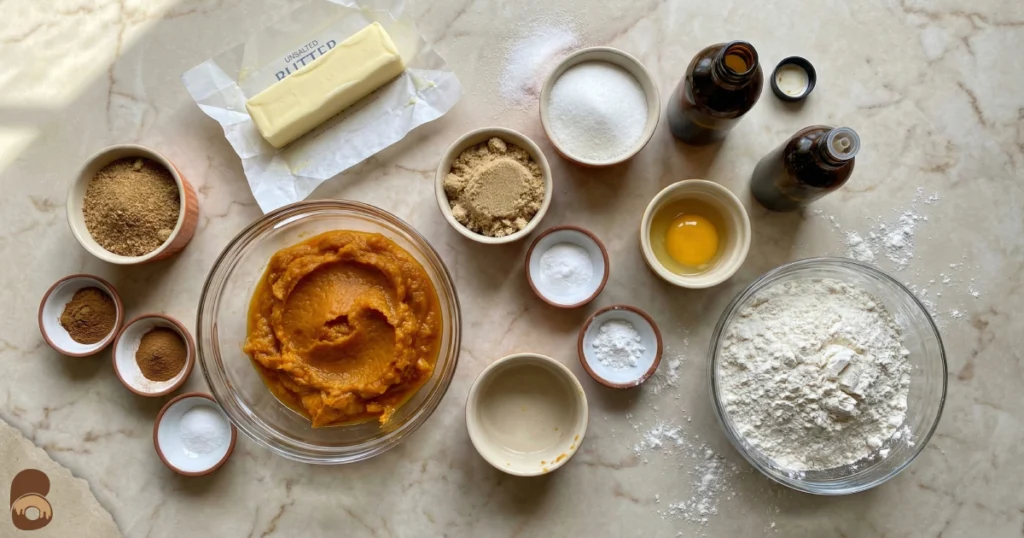
| Ingredient | Amount (example) | Purpose/Notes |
|---|---|---|
| Unsalted butter | 1/2 cup | Fat for richness and spread |
| Pumpkin puree (blotted) | 1/4–1/3 cup | Flavor and moisture; blotting controls water |
| Granulated sugar | 1/2–3/4 cup | Sweetness, helps cookies spread slightly |
| Light brown sugar | 1/4–1/2 cup | Chew, moisture, caramel notes |
| Egg yolk | 1 | Richness and binding without extra water |
| Vanilla extract | 1 tsp | Warm flavor depth |
| All-purpose flour | ~1 1/2 cups | Structure; amount controls thickness and chew |
| Pumpkin pie spice | 1–1 1/2 tsp | Classic pumpkin flavor |
| Cinnamon | 1/2–1 tsp | Extra warmth beyond pie spice |
| Baking soda | 1/2–1 tsp | Lift and spread balance |
| Cream of tartar | 1/2–1 tsp | Tang and traditional snickerdoodle crackle |
| Salt | 1/4–1/2 tsp | Balances sweetness and spices |
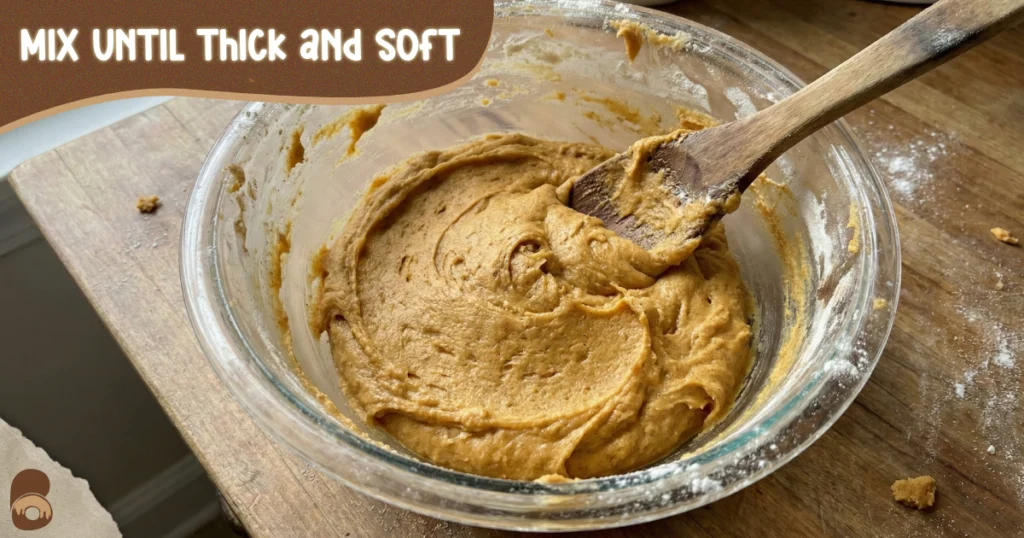
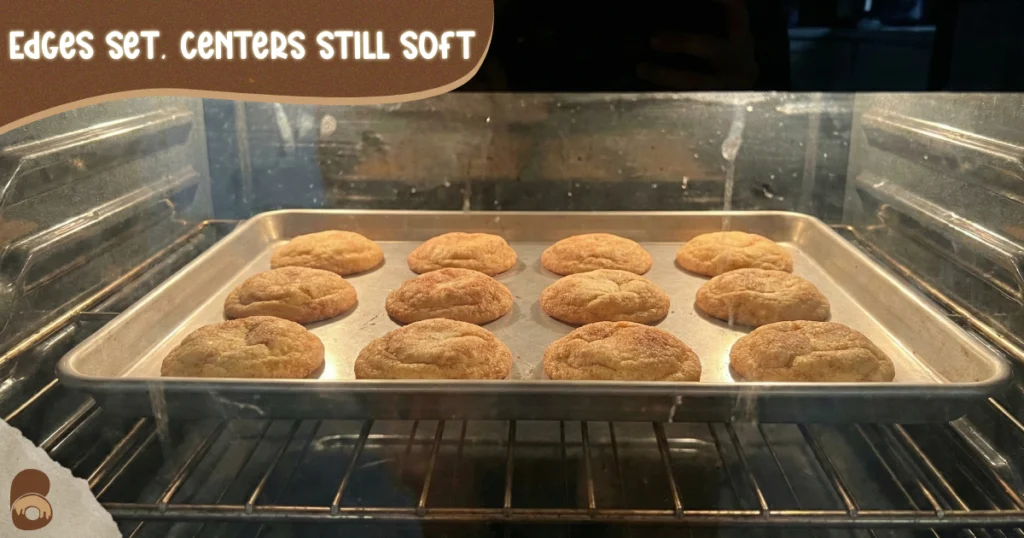
The dough is mixed, chilled until scoopable but still pliable, then rolled generously in cinnamon sugar before baking. You are aiming for edges that set and centers that still look a bit soft; they will firm up as they cool.
Pumpkin Spice Cookies (No or Low Pumpkin)
Pumpkin spice cookies lean on warm spices—pumpkin pie spice and cinnamon—rather than pumpkin puree itself. They tend to be slightly chewier and less cakey because you are not adding extra water from the puree. Many versions use softened butter, mostly brown sugar, and a simple sugar-and-spice rolling mixture.
If you prefer a cookie that tastes like fall but has the familiar texture of a classic chewy cookie, this is the route to take. You can keep these as simple rolled cookies or roll them in a lighter cinnamon-spice sugar coating for a more subtle crust.
Pumpkin Sugar Cookies
Pumpkin sugar cookies are cousins rather than twins to snickerdoodles. Instead of a heavy cinnamon-sugar coating, they often rely on a soft, pumpkin-forward base topped with glaze or frosting. The texture skews softer and slightly cakier, with a smooth surface that is perfect for drizzles, spreads, or piped designs.
Typical elements include pumpkin puree, a mix of granulated and brown sugar, warm spices, and enough flour to keep the cookies holding their shape. Once baked and cooled, you can glaze them with cinnamon, brown butter, or pumpkin spice glazes for extra flavor and shine.
Oat-Based Pumpkin Spin-Offs
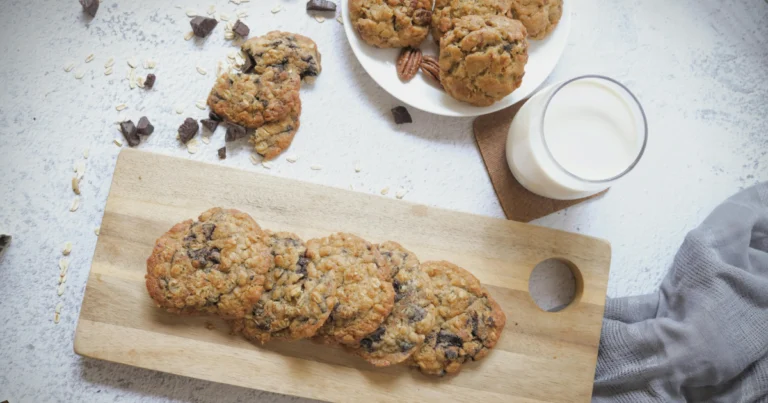
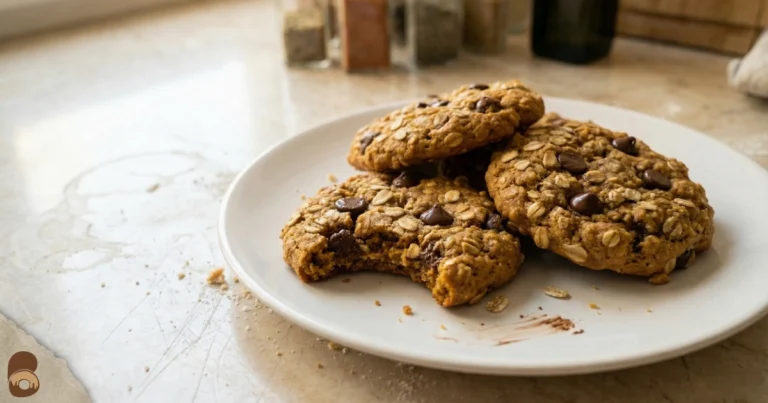
If you love more chew and texture, pumpkin oatmeal chocolate chip cookies and brown butter pumpkin oatmeal cookies make wonderful alternatives. Oats bring a hearty chew and rustic look, while brown butter adds deep, nutty flavor. These cookies are especially satisfying when you want something sturdier, great for gifting or cookie boxes.
To help you choose quickly, use this comparison table:
| Cookie Style | Coating/Finish | Texture | Sweetness Level | Best For |
|---|---|---|---|---|
| Pumpkin snickerdoodles | Rolled in cinnamon sugar | Soft-chewy | Medium | Everyday fall craving |
| Pumpkin spice cookies | Light sugar-spice roll | Chewy | Medium-sweet | Spice-forward cookie jars |
| Pumpkin sugar cookies | Glaze or frosting on top | Soft, slightly cakey | Medium-high | Decorating and gifting |
| Pumpkin oatmeal chocolate chip | No coating; chips visible | Chewy, hearty | Medium | Chunky cookie lovers |
| Brown butter pumpkin oatmeal cookies | Optional light sugar sprinkle | Chewy, nutty | Medium | Deep flavor, cozy evenings |
Troubleshooting Coating, Texture, and Sugar Choices
If your pumpkin snickerdoodles have ever emerged from the oven bare, cakey, or strangely dense, you are not alone. Small shifts in dough temperature, pumpkin moisture, and sugar choices can dramatically change your results. This section helps you diagnose and fix those issues so each batch looks as good as it tastes.
Common Problems and Fixes
Use this table as a quick reference when something goes wrong:
| Problem | Likely Cause | What To Do Now | How To Prevent Next Time |
|---|---|---|---|
| Coating melts or disappears | Dough too warm; pumpkin too wet; thin sugar coating | Chill dough longer; double-roll in cinnamon sugar | Blot pumpkin; weigh ingredients; keep pans cool |
| Cookies bake cakey, dry, or too puffy | Too much flour; too much leavener; overbaking | Bake a minute less; reduce leavener slightly; test one tray | Weigh flour; use correct pumpkin; pull when edges set |
| Coating not crisp, feels sandy or soft | Underbaking, too much brown sugar, humid environment | Bake 1–2 minutes longer; cool fully on rack | Keep more granulated sugar in coating; cool completely |
| Sugar swaps ruin chew or crust | All brown sugar or liquid sweeteners overpower structure | Return to partial swaps; extend chill time if needed | Change only one variable at a time; note your adjustments |
Understanding Sugar Choices
Sugars do more than sweeten your cookies. Granulated sugar encourages spread and a cleaner, crisper crust, while brown sugar traps moisture and adds chew and caramel flavor. In pumpkin snickerdoodles, using only brown sugar can make cookies thick and almost cake-like, and it can soften the sugar crust.
Use a blend of both, leaning a bit heavier on granulated sugar when your main goal is a defined, crisp coating. If you want a deeper flavor but do not want to sacrifice texture, start by swapping only a quarter to a third of the granulated sugar for brown sugar and observe how the dough behaves.
A simple guide for sugar effects looks like this:
| Sugar Choice | Effect on Texture | Effect on Coating |
|---|---|---|
| Mostly granulated | More spread, lighter chew | Crisper, more distinct crust |
| Mostly brown sugar | Thicker, softer, more moist | Softer coating, less crunch |
| Mix of both | Balanced chew and spread | Defined coating with good flavor |
| Liquid sweeteners | Risk of spreading or gumminess | Coating can slide or melt more easily |
Pro Tips for Best Results
- Blot pumpkin puree with paper towels before adding it to the dough. This simple step concentrates flavor and removes excess water that can collapse your coating and puff your cookies.
- Consider using brown butter in your dough when you want intense flavor without ramping up spices. Let it cool before mixing so it does not melt the sugars or warm the dough too much.
- Adjust how firmly you press the dough balls before baking. A gentle press can encourage wider crinkles and a more dramatic sugar crust, whereas baking them fully rounded keeps cookies thicker.
How This Connects to the Pumpkin Oatmeal Cookie World
It helps to see pumpkin snickerdoodles as part of a bigger pumpkin-cookie family. All of these cookies rely on the same core ideas: how pumpkin affects moisture, how oats or flour build structure, and how fats like butter or brown butter carry flavor.
Big-picture pumpkin oatmeal recipes dig into ingredient roles, oven behavior, and advanced techniques such as blotting pumpkin and browning butter. That foundation explains why your dough feels a certain way, why cookies spread or stall, and how to tweak for your oven or climate. Here, that knowledge is funneled into a more specific goal: pumpkin snickerdoodles and their immediate cousins, especially the way cinnamon sugar behaves on the outside.
When you want to understand the “why” behind ingredient choices—like why oats increase chew, or why brown butter deepens flavor without making cookies greasy—look to your broader pumpkin oatmeal resources. When you need to know how firmly to roll in sugar, how long to chill before coating, or how to adapt those techniques to pumpkin spice and pumpkin sugar cookies, come back here for practical, cookie-by-cookie guidance.
ultimate pumpkin oatmeal cookie science and troubleshooting guide.
Pumpkin Snickerdoodle Cookies FAQs
Q: How do I keep the cinnamon-sugar coating visible on pumpkin snickerdoodles?
Chill the dough well, blot the pumpkin, and roll generously in cinnamon sugar. A second roll after a brief chill can boost coverage and help the crust stay pronounced as cookies bake.
Q: Why is my pumpkin snickerdoodle cakey instead of chewy?
Cakey cookies usually mean too much flour, too much leavener, or overbaking. Weigh your flour, slightly reduce the baking soda or powder, and pull the cookies once the edges are set and the centers look soft.
Q: Can I replace all white sugar with brown sugar in pumpkin snickerdoodles?
You can, but expect thicker, softer, less crisp cookies. For a good balance, replace only part of the granulated sugar with brown sugar and note how the dough and coating respond.
Q: Do I really need to chill pumpkin snickerdoodle dough?
Yes. Chilling lets fats firm up, controls spread, and helps the cinnamon-sugar cling instead of sliding off. Aim for 30–60 minutes, longer if your kitchen is warm or the dough feels very soft.
Q: How are pumpkin sugar cookies different from pumpkin snickerdoodles?
Pumpkin sugar cookies usually skip the heavy cinnamon-sugar roll and use glaze or frosting instead. They tend to be softer and a bit cakier, with a smoother surface perfect for decorating.
Q: When should I choose oat-based pumpkin cookies instead of snickerdoodles?
Choose oat-based cookies when you want more chew and texture, or something a bit heartier. They are perfect for cookie boxes, gifting, and anyone who loves a more substantial, rustic cookie.
Conclusion
You now have everything needed to turn pumpkin snickerdoodles from “hit or miss” into a confident, go-to bake. By paying attention to pumpkin moisture, sugar balance, dough temperature, and coating technique, you can create cookies that stay soft and chewy with a beautifully defined cinnamon-sugar crust. Once you feel comfortable with the classic version, experimenting with pumpkin spice cookies, pumpkin sugar cookies, and oat-based twists becomes fun instead of stressful.
Keep exploring, keep noting what works in your kitchen, and treat each batch as a chance to refine your ideal cookie. Your fall baking can be relaxed, repeatable, and full of pumpkin-cinnamon magic.
Keep creating pumpkin cookie magic. Follow @BakeOrbis on Pinterest for daily tips, seasonal recipes, and baking hacks that make stress-free cookies feel automatic.
Share your experience and help others!
Tried this recipe? Leave a rating and make someone’s day tastier
Be the first to rate this recipe and help others discover it!