Oatmeal Pumpkin Cookies: Stop Cakey Texture With Moisture Control (Plus a Video Guide)
Table of Contents
Table of Contents
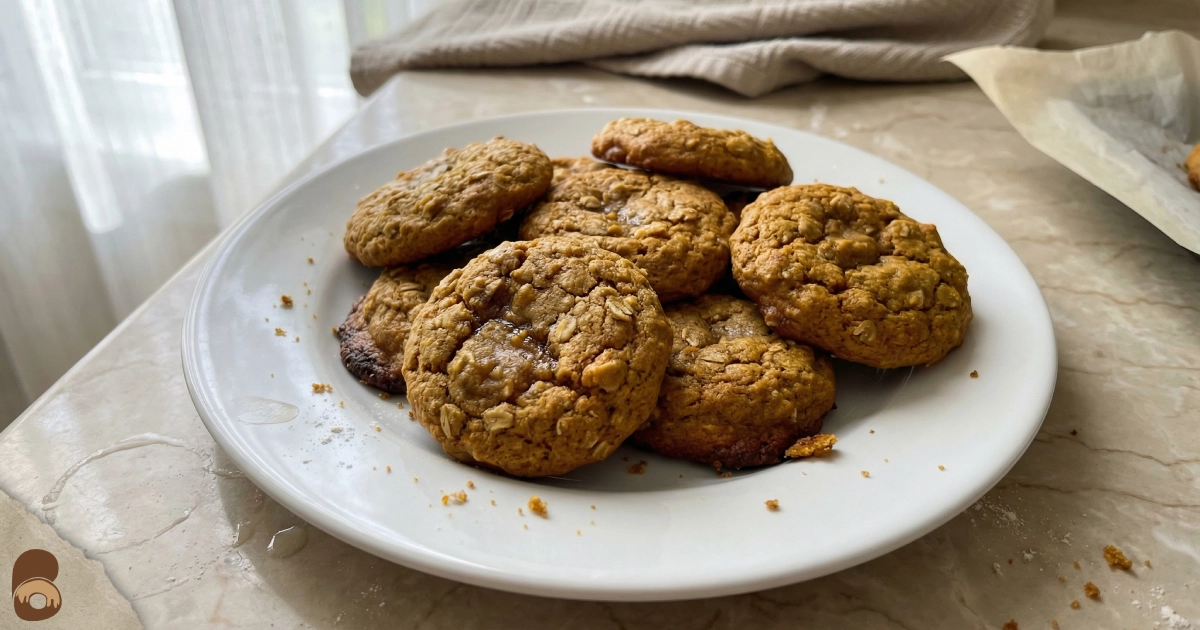
Oatmeal pumpkin cookies can turn cakey, gummy, or weirdly dry even when you “follow the recipe,” because pumpkin is mostly water and oats keep absorbing moisture after you mix the dough. This guide shows you the missing logic—how to control that moisture on purpose—so you can bake cookies that set properly and still stay soft.
If you’ve ever pulled a tray out and thought, “How did this end up like mini muffin tops?”, you’re not imagining it—this is a predictable ingredient behavior, not a skill issue.
What You’ll Learn:
- Why oatmeal pumpkin cookies go cakey (the simple mechanism).
- A practical moisture-control routine (blot + rest timing) you can repeat.
- How to read dough texture cues before you bake.
- Fixes for spread, gumminess, and bland flavor—without guesswork.
This builds on the bigger texture foundation in the ultimate pumpkin oatmeal cookies guide, then zooms in on the oatmeal-specific moisture problem so you can actually control the outcome.
Why do oatmeal pumpkin cookies get unpredictable
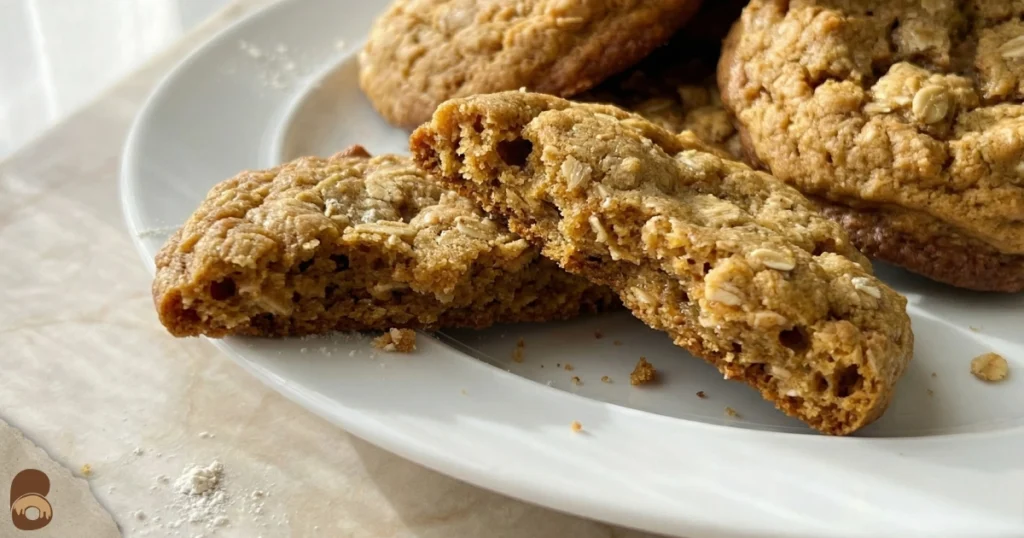
Oatmeal pumpkin cookies are basically a moisture negotiation between pumpkin puree and oat fiber. The pumpkin brings a lot of water to the dough (even when it looks thick), and oats are built to bind water over time, not instantly.
Most recipes treat pumpkin like a “wet ingredient” and oats like a “dry ingredient,” then act surprised when the dough changes texture while it sits. That’s the unexplained recipe problem: you’re handed measurements, but not the reason your dough can feel right at minute 1 and bake wrong at minute 12.
Here’s the key shift: instead of chasing a magical flour number, you control (1) how much free water pumpkin contributes and (2) when the oats get to hydrate—before the oven, not during the bake.
The moisture science in oatmeal pumpkin cookies (one idea, then we stop)
Oats contain soluble fiber (notably beta-glucan) that can immobilize water and form viscous, gel-like mixtures—so hydration keeps changing after mixing. Pumpkin puree, meanwhile, is primarily water, which means it can quietly overwhelm cookie structure if that water isn’t managed.
A sensory way to picture it: oats act like a sponge that keeps drinking, while pumpkin is the bowl of water you didn’t realize you poured in. If you bake right away, oats keep absorbing moisture in the oven while your cookie structure is trying to set; if you wait too long, the dough can loosen or bake up dense because the hydration balance shifts.
There’s more chemistry behind it, but you don’t need it to get better cookies—you just need to manage the timing and the free moisture.
Oatmeal pumpkin cookies recipe with moisture control
I’m writing this like a culinary student who got tired of “just add flour until it looks right.” The goal is repeatability: same dough cues, same bake results, even when pumpkin brands vary a little.
Ingredients (base dough)
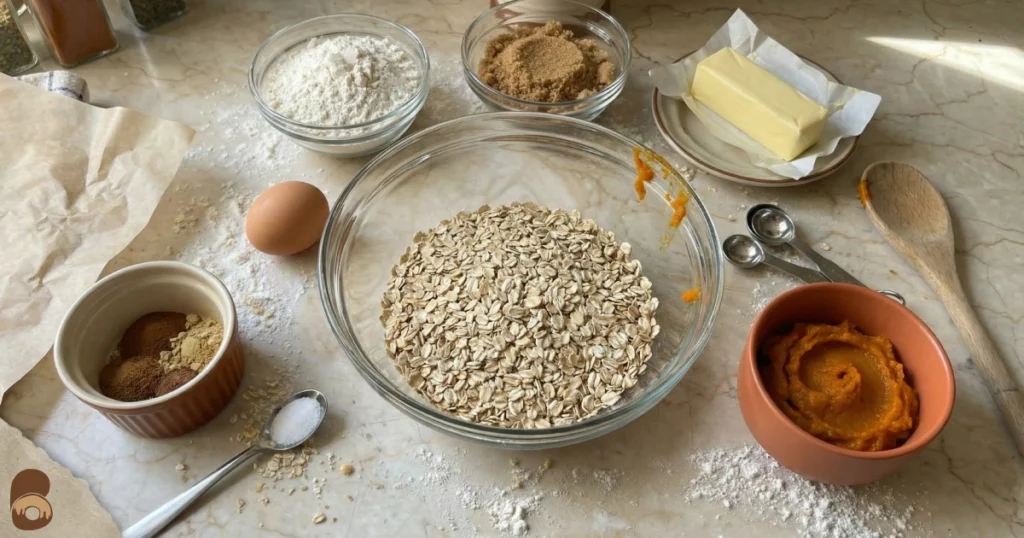
- Pumpkin puree (100% pure pumpkin, not pie filling).
- Old-fashioned rolled oats.
- All-purpose flour.
- Brown sugar + a little granulated sugar (helps spread and brown).
- Butter.
- Egg.
- Baking soda.
- Pumpkin spice set: cinnamon + ginger + nutmeg (or your preferred blend).
- Salt.
- Vanilla.
Method (the parts that actually matter)
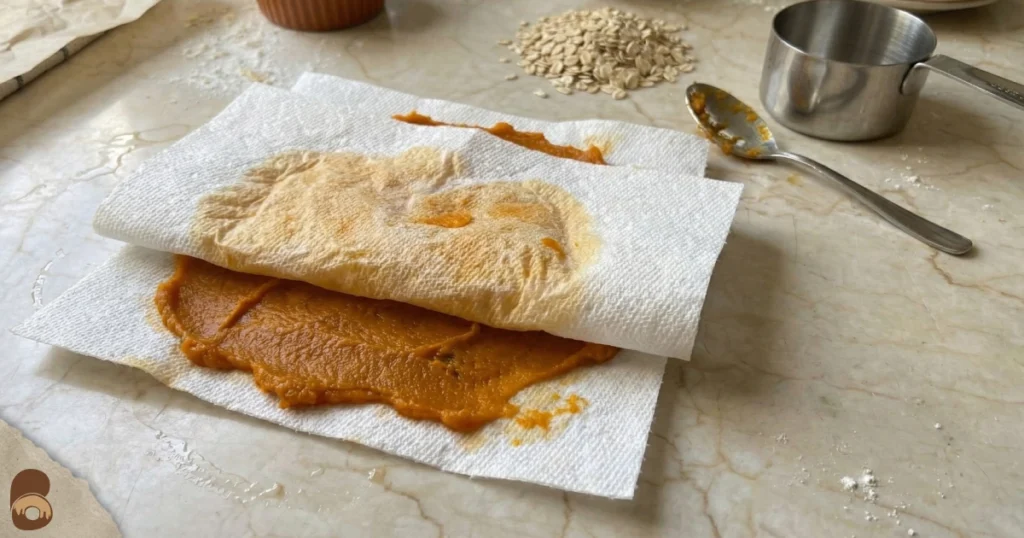
- Blot the pumpkin (2 minutes of work).
Spread pumpkin puree on paper towels, press gently, and let it sit briefly so excess surface water transfers into the towel. This step is popular for a reason: excess moisture is a known cause of fluffy/cakey results when you want chew.
- Mix the dough, then pause on purpose (rest 10–20 minutes).
After the dough comes together, cover it and rest it so oats can hydrate before baking, not mid-bake. Oats’ water-binding behavior is real; giving it a controlled window makes the dough more predictable. - Bake for “set edges, softer centers.”
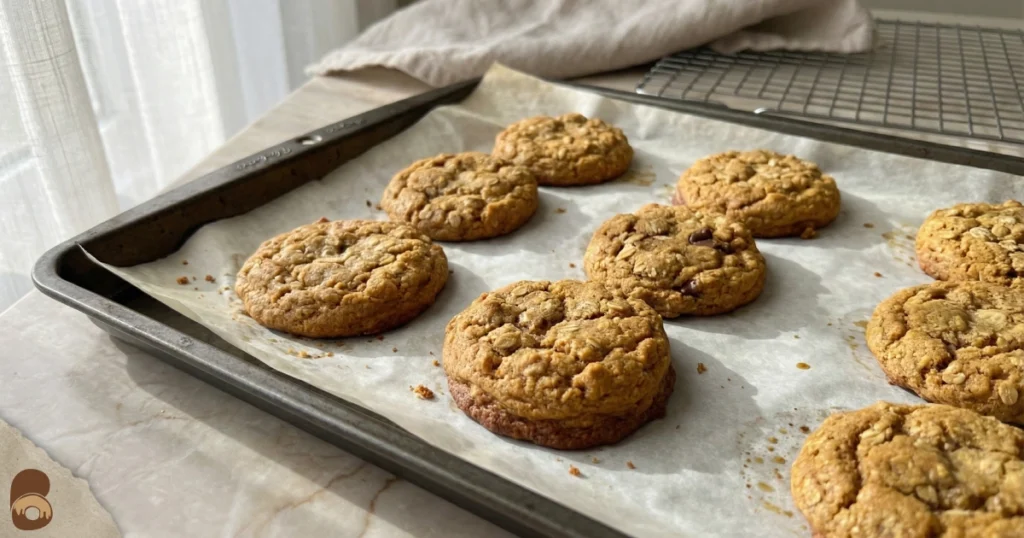
Pull cookies when the edges look set, and the centers look slightly underdone; carryover heat finishes the set while keeping them soft.
Dough cues (use these instead of panic-flouring)
- Too wet: Dough smears like pumpkin batter and won’t hold a scoop shape → blot a bit more next time, or extend the rest slightly so oats catch up.
- Too dry: Dough looks crumbly and struggles to hold together → you likely over-blotted or over-rested; add 1–2 teaspoons milk and mix gently.
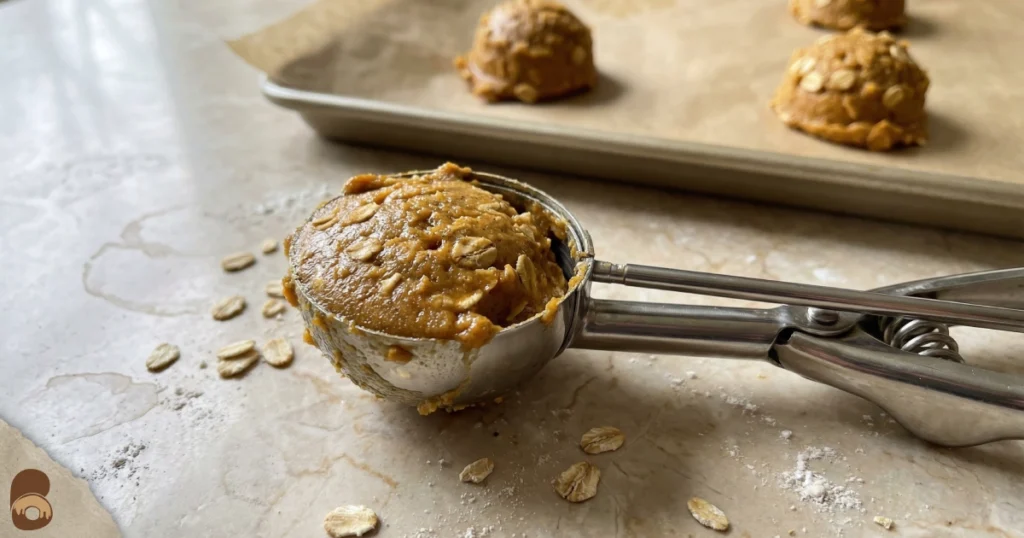
- Just right: Dough holds a scoop mound, feels tacky but not sticky-wet, and doesn’t slump fast on the tray.
Quick variation table
| Variation | What to change | Why it works |
|---|---|---|
| Oatmeal pumpkin chocolate chip cookies | Replace the egg with a binder you trust, keep the rest window | Chips “tighten” the dough feel and add texture without changing hydration much |
| Pumpkin chocolate chip cookies with oatmeal | Use slightly fewer oats, keep blot + rest | More pumpkin-style texture, still needs moisture control |
| Gluten-free | Use a 1:1 GF flour blend; keep oats certified GF | GF blends vary in absorbency; moisture steps help stabilize outcomes |
| Vegan | Replace egg with a binder you trust, keep the rest window | Egg affects set; moisture steps keep structure from going gummy |
If you want a broader framework for ingredient roles (pumpkin, oats, butter, spices) across multiple versions, the pumpkin oatmeal cookies guide covers the foundation and vocabulary, so troubleshooting stays consistent.
[VIDEO COMING SOON]
Troubleshooting oatmeal pumpkin cookies (fixes with reasons)
If something went sideways, here’s what’s going on—then we fix it.
Problem: Cakey, muffin-top texture
Why: Too much free moisture or not enough controlled hydration timing, so the cookie sets like cake instead of spreading and settling.
Do this next time: Blot the pumpkin and use a rest window so the oats hydrate before baking.
Fast save: Bake a test cookie first; if it puffs, rest the dough 10 minutes more (don’t dump flour in yet).
Problem: Spreading too thin
Why: Dough is too warm or too loose; fat melts before structure sets.
Do this next time: Chill the scooped dough briefly (10–15 minutes) and make sure your baking sheet is cool between batches.
Problem: Gummy centers
Why: The cookie surface sets while interior moisture can’t evaporate fast enough (common when pumpkin moisture is high).
Do this next time: Blot more thoroughly and avoid underheating your oven.
Problem: Bland flavor
Why: Pumpkin is mild, and oats are neutral, so spices need better extraction—not just “more cinnamon.”
Do this next time: Bloom your spices in warm butter (quick heat, then cool) before mixing; it pulls more aroma into the fat phase for stronger flavor.
For a bigger “symptom → cause → fix” library (cakey vs gummy vs dry, plus texture targets), the troubleshooting section in the ultimate pumpkin oatmeal cookies guide is the best next click.
FAQs
Q: Can I use quick oats for oatmeal pumpkin cookies?
Yes, but shorten the rest window because quick oats hydrate faster and can turn pasty. The cookies often bake denser, so watch the “set edges, softer centers” cue instead of extending bake time.
Q: Do I really need to blot pumpkin puree for oatmeal pumpkin cookies?
If you want chew and a cookie-like set, blotting helps remove surface water that can push the texture toward fluffy/cakey. It’s a small step that makes the dough behave more consistently.
Q: Why did my oatmeal pumpkin cookies look done, then sink?
That usually means the structure is set late because the dough carried extra moisture. Pumpkin is primarily water, so small shifts matter in a cookie format. Blot + rest tends to prevent the late-collapse look.
Conclusion: Oatmeal pumpkin cookies, you can control
Oatmeal pumpkin cookies get reliable when you treat moisture like a variable you manage—blot the pumpkin, give oats a short rest window, then bake for set edges and soft centers. Next time you bake, you’ll be able to look at the dough and know whether you need more rest, a short chill, or nothing at all.
If you want the full framework behind these decisions, read the ultimate pumpkin oatmeal cookies guide, then explore how-to recipe variations link once it’s live, and the brown butter pumpkin oatmeal cookies variation for a deeper, nutty flavor.
Keep creating oatmeal pumpkin cookies. Follow @BakeOrbis on Pinterest for daily baking tips, troubleshooting guides, and techniques that actually work in real kitchens.
Share your experience and help others!
Tried this recipe? Leave a rating and make someone’s day tastier
Be the first to rate this recipe and help others discover it!